

Electric bikes, commonly known as e-bikes, are rapidly becoming one of the most popular forms of transportation. Thanks to improvements in lithium battery technology, e-bikes now offer longer range, better performance, and more convenience than ever before.
Many modern e-bikes can travel up to 150 km on a single charge, making them a practical option for commuting, recreation, and everyday transportation. But what is driving the growth of e-bikes and other micromobility options?
What Is an E-Bike?
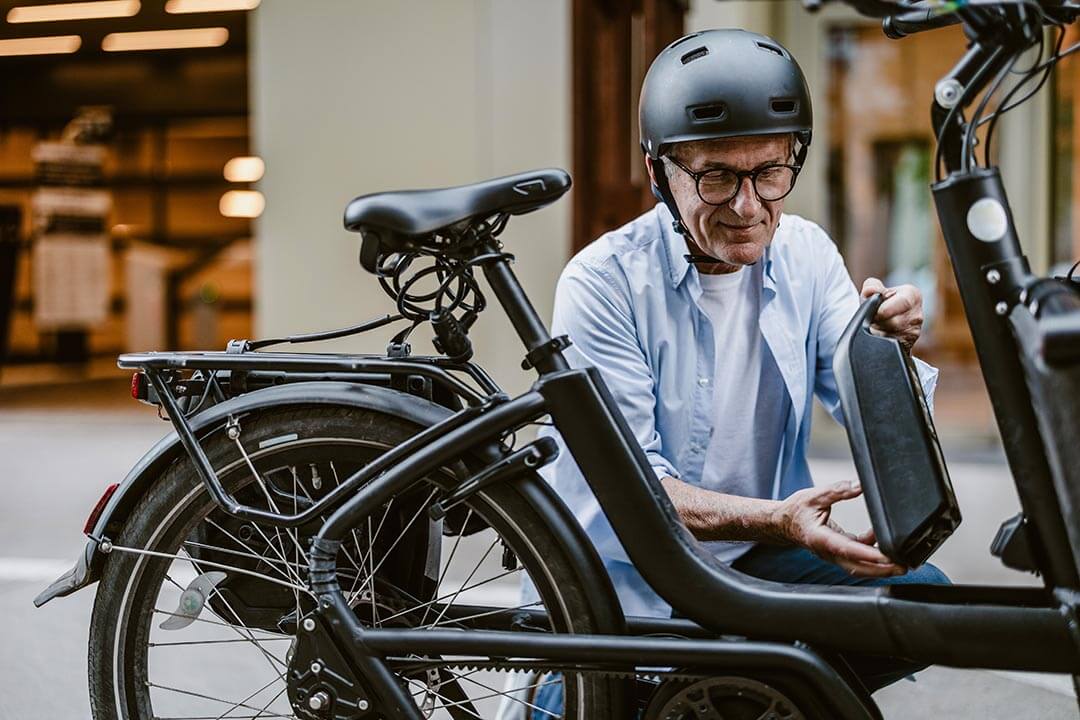
An e-bike (electric bike) is a bicycle equipped with an electric motor and rechargeable battery that assists the rider while pedaling. This assistance makes cycling easier, especially for longer distances, hills, or daily commuting.
Most e-bikes allow riders to control how much assistance they receive, meaning you can ride casually or get a full workout depending on the setting. Because they combine traditional cycling with electric power, e-bikes make riding accessible to a wider range of people.
Why Are E-Bikes Becoming More Popular?
E-bike popularity is growing quickly because they offer a combination of convenience, affordability, and fun.
Key reasons people are choosing e-bikes include:
- Easier commuting compared to traditional bicycles
- Lower transportation costs compared to cars
- Environmentally friendly travel
- Less physical effort for longer rides
- Faster travel through city traffic
For many riders, e-bikes provide the perfect middle ground between a traditional bicycle and a motor vehicle.
How Lithium Battery Technology Improved E-Bikes
One of the biggest advancements in the e-bike industry has been the development of modern lithium-ion batteries.
Compared to older battery types, lithium batteries are:
- Lighter
- More energy efficient
- Faster to charge
- Longer lasting
These improvements have significantly increased how far e-bikes can travel.
Some modern e-bike models can now reach ranges of up to 150 kilometers on a single charge, depending on terrain, battery size, and pedal assist settings. This longer range makes e-bikes practical not just for recreation, but also for daily commuting and transportation.
What Is Micromobility?
E-bikes are part of a transportation trend known as micromobility. Micromobility refers to small, lightweight vehicles designed for short-distance travel, such as:
- Electric bikes
- Electric scooters
- Small electric mobility devices
These transportation options are becoming more common in cities like West Kelowna because they help reduce traffic congestion, fuel costs, and environmental impact. Many cities are also building bike lanes and infrastructure that support micromobility.
How Far Can an E-Bike Go on One Charge?
The range of an e-bike depends on several factors:
- Battery size
- Rider weight
- Terrain and hills
- Level of pedal assistance
- Weather conditions
However, many modern e-bikes can travel 50–150 km on a single charge, which is more than enough for most daily commutes or recreational rides. As battery technology continues to improve, e-bike range is expected to increase even further.
The Future of E-Bikes
E-bikes are becoming a major part of the future of transportation. With better battery technology, increasing consumer demand, and growing support for micromobility in cities, e-bikes are expected to continue growing in popularity. For many people, e-bikes provide a transportation solution that is efficient, affordable, environmentally friendly, and enjoyable to ride. Drop into the shop to see what models we carry!